Improved Load-Bearing Capacity: Strengthening the soil’s structure allows it to bear heavier loads without significant settlement or deformation, crucial for maintaining structural integrity over time.
Reduced Permeability: Stabilized soil is less permeable to water, minimizing the risk of water infiltration that could lead to erosion, swelling, or undermining of foundations.
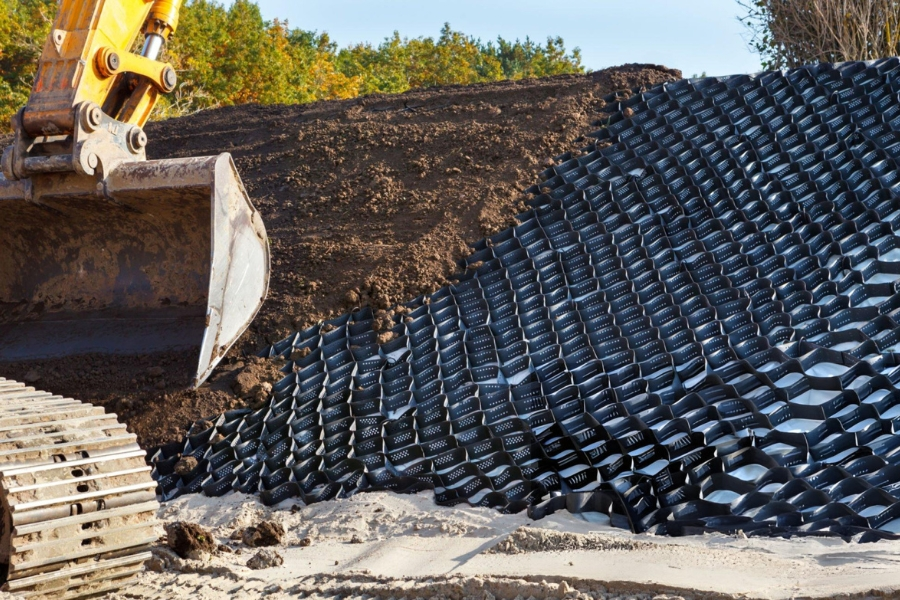
Erosion Control: Stabilization helps prevent soil erosion, maintaining slopes, embankments, and landscaping features crucial for both aesthetics and structural stability.
Enhanced Durability: By stabilizing soil, construction projects benefit from increased durability and longevity, reducing maintenance costs and extending the lifespan of infrastructure.
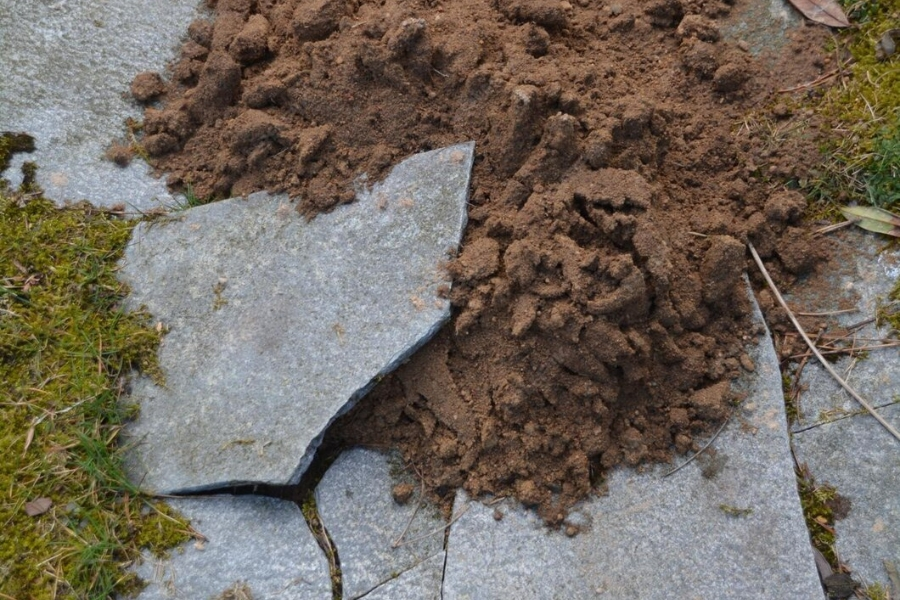
Foundation Stability: Stable soil conditions are fundamental for maintaining the integrity and longevity of residential foundations in Avon Park. Stable soil helps prevent settlement, uneven floors, and structural cracks, ensuring a safe and comfortable living environment.
Infrastructure Development: Soil stabilization is critical for new construction projects, providing a solid foundation that can withstand environmental challenges and support the weight of structures over time.
Environmental Protection: Stabilizing soil helps minimize erosion and soil loss, preserving natural landscapes and protecting properties from the adverse effects of environmental changes.
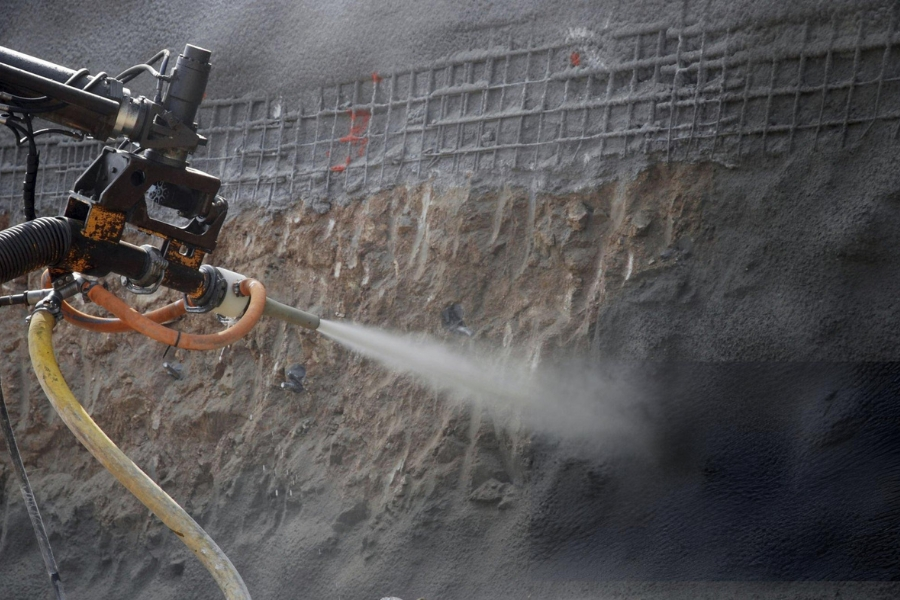
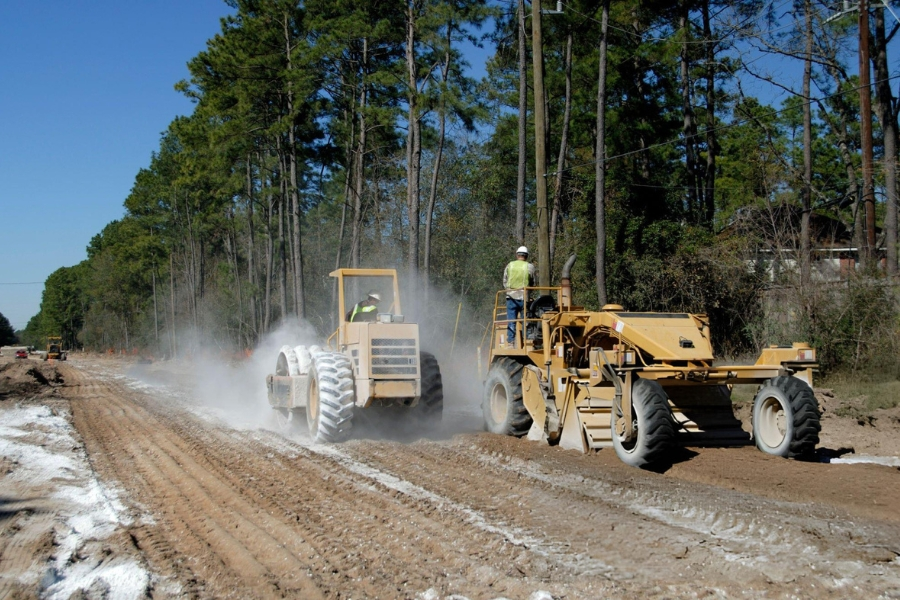
Mechanical Stabilization: Utilizes mechanical methods such as compaction, vibro-compaction, or dynamic compaction to increase soil density and improve load-bearing capacity.
Chemical Stabilization: Involves the addition of chemical agents such as lime, cement, or fly ash to alter soil properties, enhancing strength, reducing permeability, and improving long-term stability.
Biological Stabilization: Uses biological agents like vegetation or microbial treatments to enhance soil structure and stability through root growth, soil binding, and nutrient cycling.
Electrical Stabilization: Applies electrical techniques to modify soil properties, such as electro-osmosis or electrokinetics, to improve drainage and mitigate soil swelling or shrinkage.
Proper Drainage Management: Ensuring effective drainage systems around the property can help mitigate the effects of water infiltration and soil erosion.
Vegetative Cover: Planting grass, shrubs, or trees can stabilize soil and reduce erosion by promoting root growth and enhancing soil structure.
Consulting Professionals: Seeking advice from soil stabilization specialists, such as Avon Park Foundation Repair, can provide homeowners with tailored solutions and recommendations based on comprehensive soil assessments and local environmental conditions.